
Northern Thailand: Temples, Mountains & Culture
Discover Northern Thailand, a land of misty mountains, ancient kingdoms, UNESCO World Heritage Sites, vibrant hill tribe cultures, and breathtaking natural landscapes.
For travelers seeking authentic experiences beyond Thailand’s tropical beaches, Northern Thailand offers an unforgettable journey through history, nature, and tradition.
From the magnificent temples of Chiang Mai and Chiang Rai to the legendary Golden Triangle and the highest peak in the country, this region is the cultural heart of Thailand and one of Southeast Asia’s most rewarding destinations.
Geography
Northern Thailand occupies the mountainous upper part of the country and shares borders with Myanmar (Burma) to the west and Laos to the east.
Unlike the central plains surrounding Bangkok, this region is defined by dramatic mountain ranges, fertile valleys, dense forests, and river systems that have shaped its civilization for centuries.
The geography of Northern Thailand can be divided into three distinct areas:
- Western mountains: the Daen Lao Range forms the natural border with Myanmar.
- Central highlands: home to the Thanon Thong Chai and Khun Tan mountain ranges, including Doi Inthanon (2,565 m), Thailand’s highest mountain.
- Eastern mountains: the Phi Pan Nam and Luang Prabang ranges overlook the Mekong Valley and mark the frontier with Laos.
This spectacular terrain makes Northern Thailand a paradise for nature lovers, photographers, hikers, and travelers searching for cooler temperatures throughout much of the year.
The Mekong River: Lifeblood of Southeast Asia
Stretching approximately 4,350 km, the Mekong rises on the Tibetan Plateau at over 5,000 meters above sea level before flowing through China, Myanmar, Thailand, Laos, Cambodia, and Vietnam, where it finally reaches the South China Sea.
Within Thailand, the Mekong forms the international border with Laos for about 955 km, from the famous Golden Triangle in Chiang Saen District to Ubon Ratchathani Province.
The river has played a vital role in trade, migration, religion, and cultural exchange for thousands of years.
Other important rivers of Northern Thailand include the Ping and Nan, which flow southward before joining at Nakhon Sawan to create the legendary Chao Phraya River, Thailand’s principal waterway.
Provinces of Northern Thailand
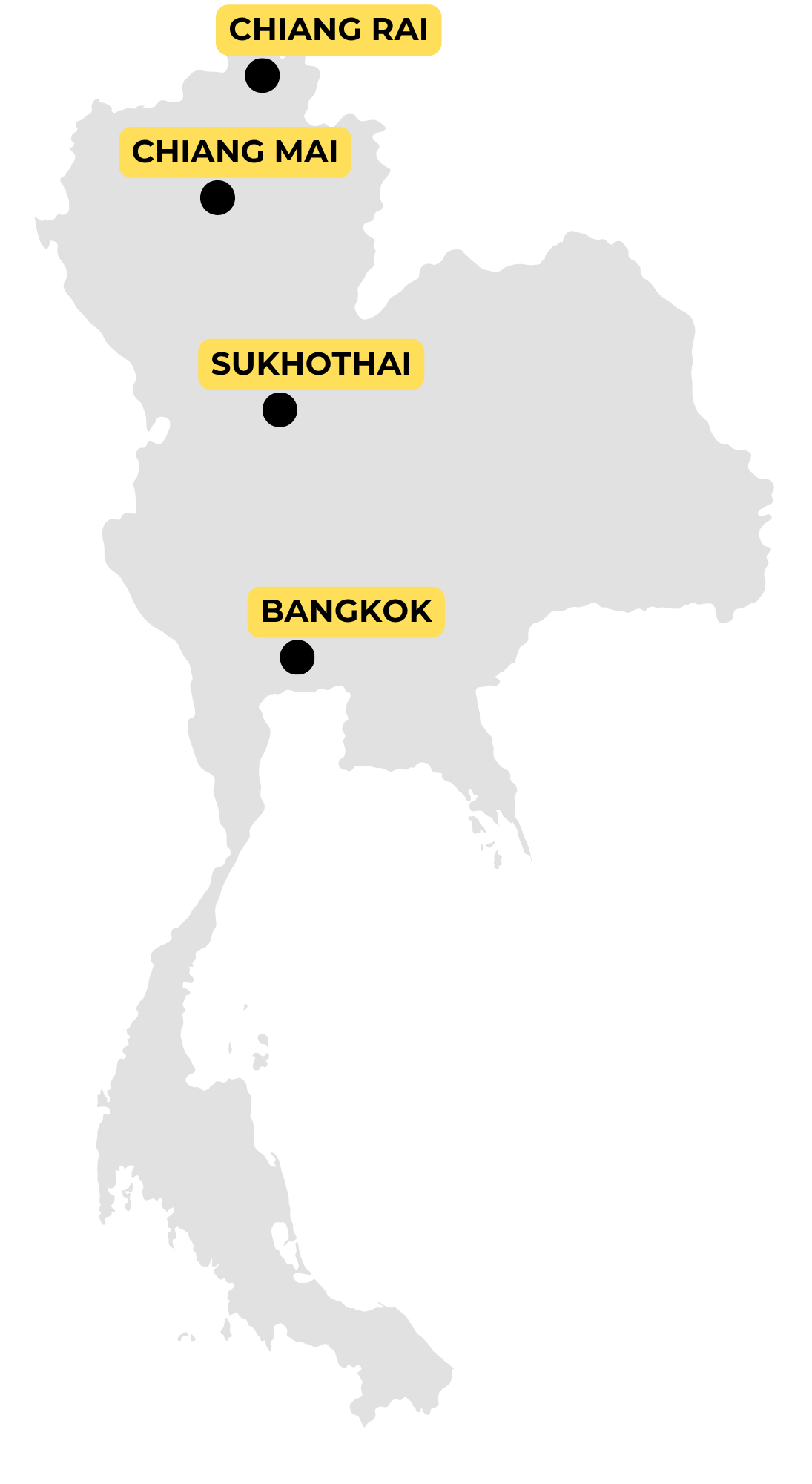
Northern Thailand consists of 17 provinces, each with its own identity, traditions, and attractions.
Province Highlights
- Chiang Mai: Ancient Lanna capital, temples, mountains, handicrafts
- Chiang Rai: White Temple, Golden Triangle, Mekong landscapes
- Sukhothai: UNESCO World Heritage historical park
- Mae Hong Son: Remote mountain scenery and ethnic communities
- Lampang: Traditional Lanna architecture and horse carriages
- Nan: Authentic temples and peaceful valleys
- Phayao: Scenic lakes and relaxed atmosphere
- Phitsanulok: Historic temples and gateway to the north
- Tak: National parks and waterfalls
- Lamphun: One of Thailand’s oldest cities
While all 17 provinces are worth exploring, Chiang Mai and Chiang Rai remain the most popular destinations and the perfect starting point for discovering Northern Thailand.
Climate in Northern Thailand
The region enjoys a tropical savanna climate with two clearly defined seasons, making it one of the most pleasant areas of Thailand for travel.
Dry season (November – April)
- This is the best time to visit Northern Thailand. Days are generally sunny with low humidity, while evenings can become surprisingly cool, especially in mountainous areas.
- Average daytime temperatures: 24–30°C
- Mountain nights: 5–10°C (December–January)
- Ideal for trekking, sightseeing, cycling, and outdoor activities
Rainy season (May – October)
- The landscape becomes incredibly lush and green during the monsoon.
- 10–15 rainy days per month
- Frequent afternoon thunderstorms
- Fewer tourists and beautiful photographic scenery
Hot season (March – May)
- These are the warmest months of the year.
- Temperatures often reach 35–37°C
- Best suited for travelers comfortable with tropical heat
Best time to visit Northern Thailand: November to March, when the weather is dry, cool, and perfect for cultural tours and mountain excursions.
What to See in Northern Thailand
Chiang Mai: The Rose of the North
Nestled among the lush mountains of Northern Thailand, Chiang Mai is the former capital of the ancient Lanna Kingdom and one of the country’s most captivating destinations.
Founded in 1296, this charming city perfectly blends centuries of history with a vibrant contemporary atmosphere, making it an essential stop on any Thailand itinerary.
Surrounded by ancient walls and a picturesque moat, Chiang Mai’s historic Old City is home to more than 300 Buddhist temples, each showcasing the elegant architecture of the Lanna era.
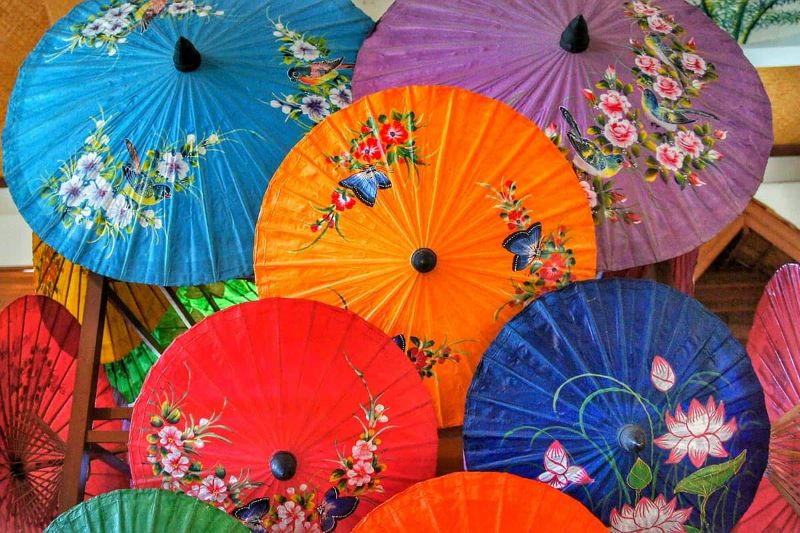
Beyond its cultural heritage, Chiang Mai is renowned for its colorful markets, traditional handicrafts, and exceptional Northern Thai cuisine. Visitors can browse artisan workshops producing silk, silverware, ceramics, and handmade umbrellas, or enjoy the lively atmosphere of the famous Sunday Walking Street Market.
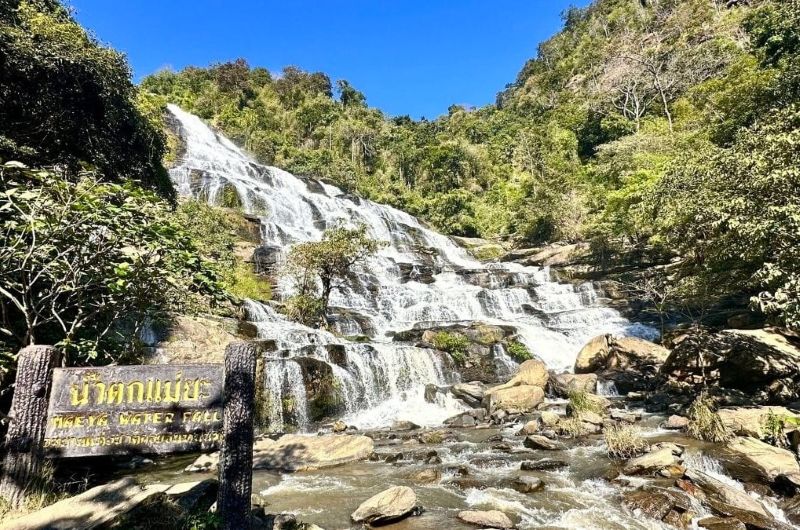
Nature lovers will find endless opportunities just outside the city, from lush national parks and scenic waterfalls to ethical elephant sanctuaries and mountain villages inhabited by Northern Thailand’s diverse hill tribe communities.
Must-visit attractions
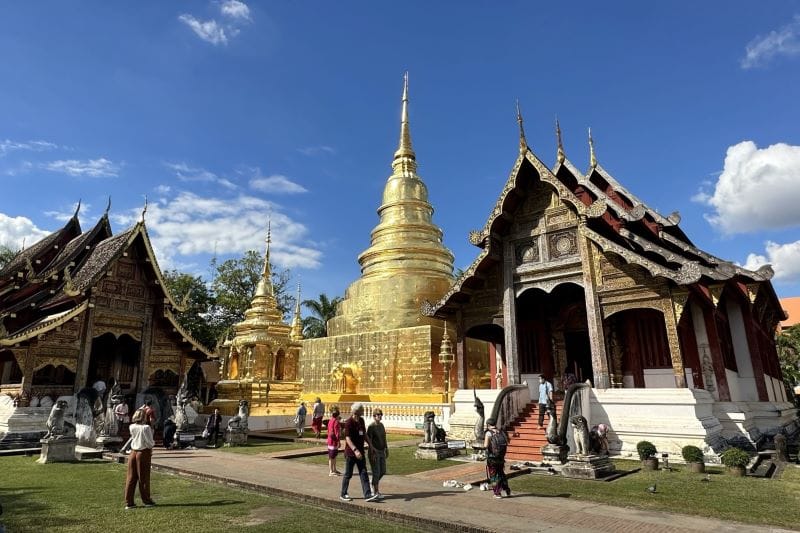
- Wat Phra Singh – masterpiece of Lanna architecture
- Wat Chedi Luang – impressive ruined chedi dating back to the 15th century
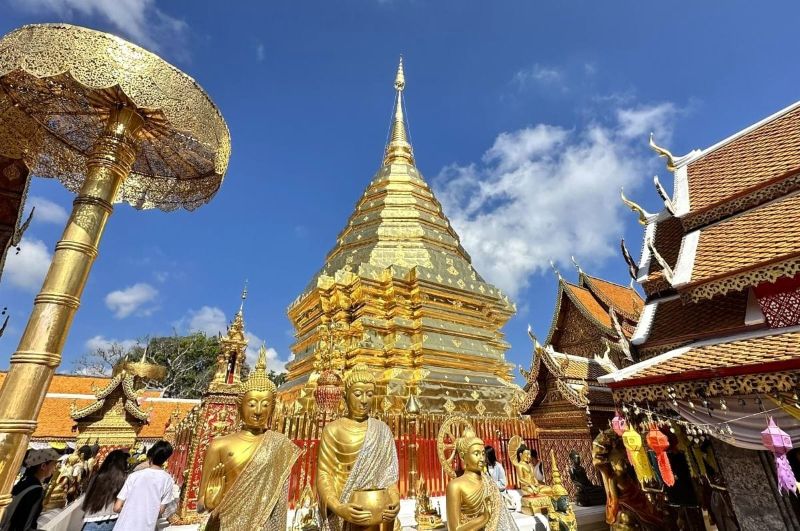
- Wat Phra That Doi Suthep – Chiang Mai’s most sacred temple overlooking the city
- Old City – surrounded by ancient walls and a historic moat
- Sunday Walking Street Market – one of Thailand’s finest handicraft markets
- Doi Inthanon National Park: at 2,565 meters, Doi Inthanon is the highest mountain in Thailand and one of the country’s most beautiful national parks.
Combining rich history, authentic local culture, outstanding cuisine, and stunning natural beauty, Chiang Mai offers an unforgettable travel experience. Whether discovering ancient temples, enjoying a traditional Khantoke dinner, or wandering through vibrant night markets, every moment reveals the timeless charm of Northern Thailand.

Chiang Rai: Art, Spirituality & The Golden Triangle
Located in the northernmost corner of Northern Thailand, Chiang Rai is a fascinating destination where ancient Lanna heritage, spectacular mountain scenery, and contemporary art come together.
Once an important capital of the historic Lanna Kingdom, the city offers a more peaceful and authentic atmosphere than its southern neighbor, Chiang Mai.
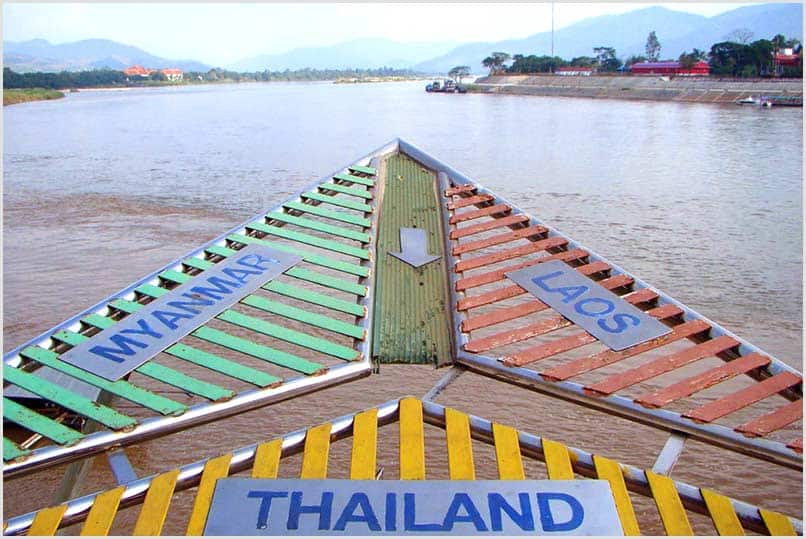
Chiang Rai is internationally renowned for its extraordinary temples and the legendary Golden Triangle, where Thailand, Laos, and Myanmar meet along the mighty Mekong River. Visitors can enjoy panoramic viewpoints, take a boat cruise on the Mekong, and learn about the area’s remarkable history at the Hall of Opium Museum.
Beyond its cultural attractions, Chiang Rai is surrounded by rolling hills, tea plantations, coffee farms, and picturesque mountain villages inhabited by several ethnic hill tribe communities.
These landscapes provide wonderful opportunities for scenic drives, nature excursions, and meaningful cultural encounters.
Highlights include
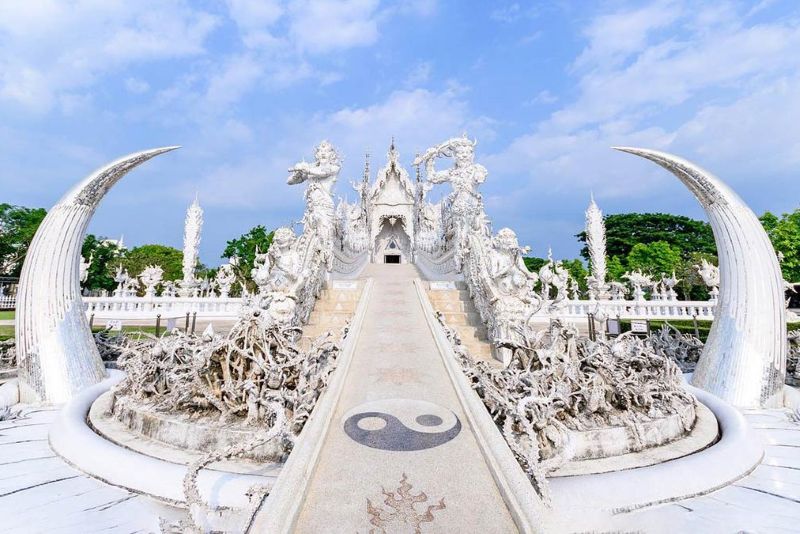
- Wat Rong Khun (White Temple) – Thailand’s most iconic contemporary temple
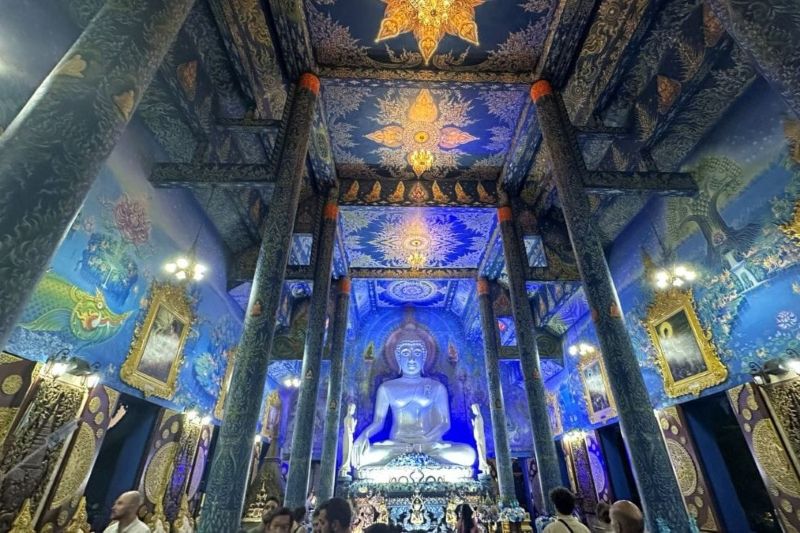
- Wat Rong Suea Ten (Blue Temple) – vibrant blue interiors and remarkable Buddhist artwork
- Golden Triangle – where Thailand, Laos, and Myanmar meet. Once famous for its opium trade, the area has transformed into a fascinating cultural and historical attraction
- Baan Dam Museum (Black House) – fascinating collection of modern Lanna art
- Mae Sai – Thailand’s northernmost town
Chiang Rai is an ideal destination for travelers seeking authentic experiences, breathtaking scenery, and a deeper understanding of Northern Thailand’s rich cultural diversity. Combined with Chiang Mai, it forms the perfect itinerary for discovering the timeless beauty of the former Lanna Kingdom.
Hill Tribes: Living Cultural Heritage
One of the defining characteristics of Northern Thailand is its remarkable ethnic diversity.
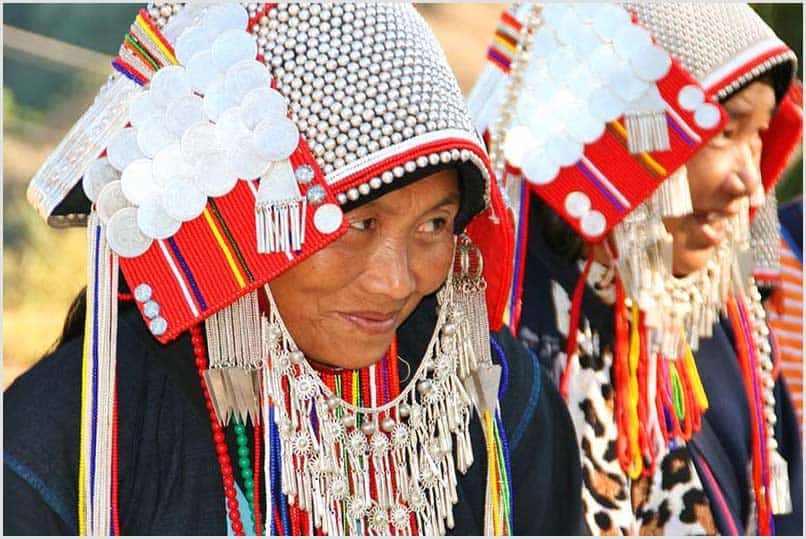
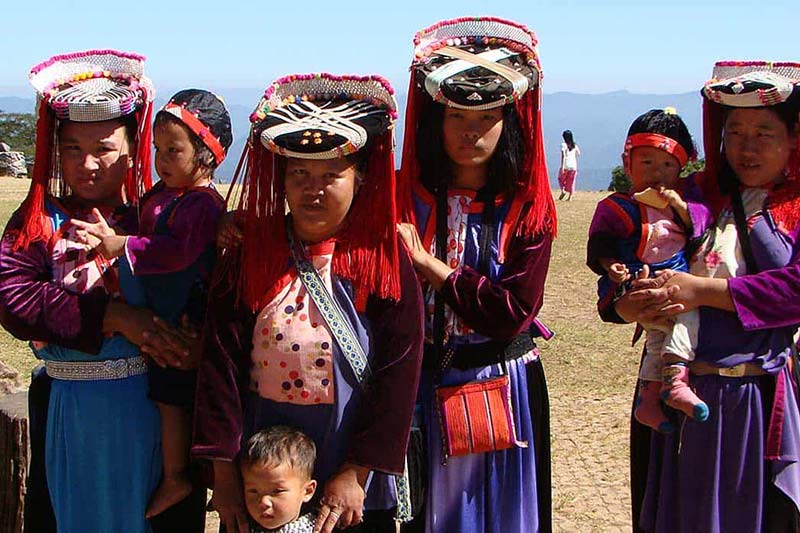
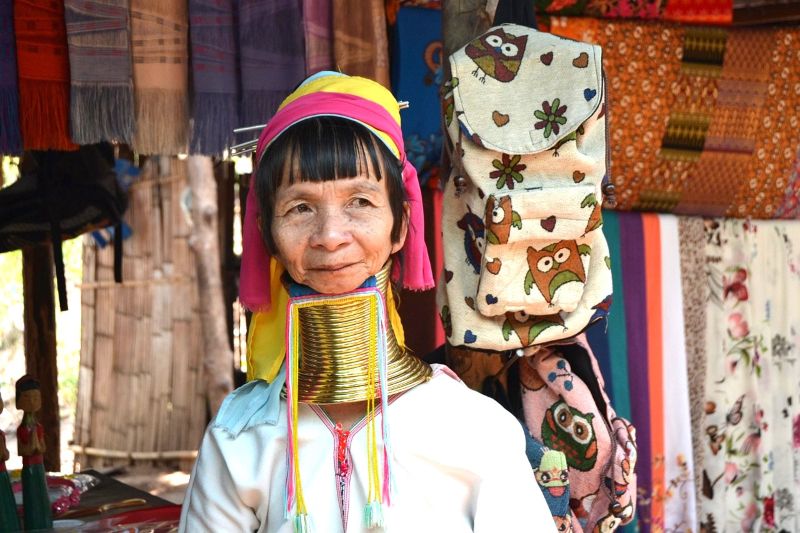
The mountainous regions are home to numerous indigenous communities collectively known as the Hill Tribes, including: Karen, Hmong, Akha, Lahu, Lisu and Yao.
Each group preserves its own language, traditional dress, handicrafts, architecture, and spiritual beliefs. Visiting these communities responsibly offers meaningful cultural exchanges while supporting sustainable local livelihoods.
Responsible Tourism: authentic experiences prioritize respect, fair economic benefits, and preservation of local traditions rather than staged performances.
Lanna Culture: The Soul of Northern Thailand
The historical Kingdom of Lanna flourished between the 13th and 18th centuries and left an extraordinary cultural legacy still visible today.
Distinctive elements of Lanna heritage include:
- elegant multi-tiered temple roofs
- intricate wood carvings
- golden Buddhist monasteries
- traditional music and dance
- handcrafted umbrellas, ceramics, silverware, and textiles
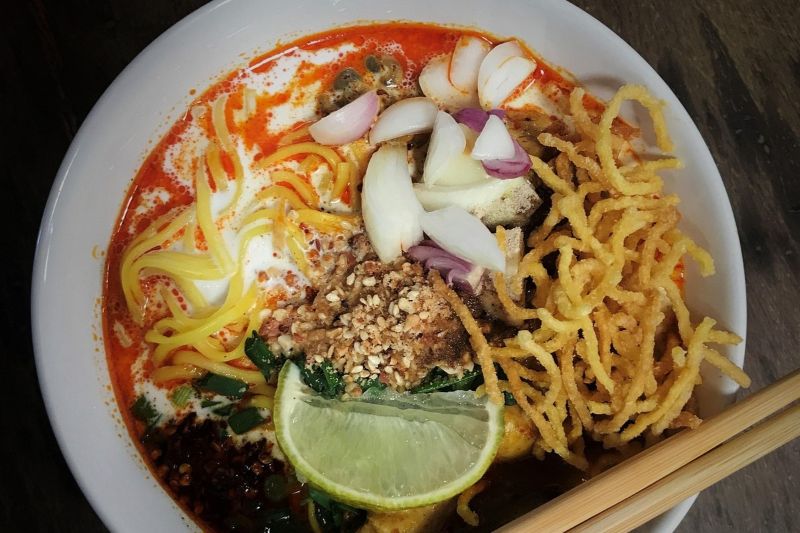
- flavorful northern cuisine
Don’t miss regional specialties such as Khao Soi, Sai Ua (northern sausage), and Nam Prik Ong, which reflect centuries of culinary tradition.
Sustainable Small Group Tours in Northern Thailand
At SIAM ESCAPE TRAVEL, we believe that discovering Northern Thailand should be both meaningful and responsible.
Our Northern Thailand Tours are operated in small groups with a limited number of participants and are accompanied by our professional guides, ensuring a more personal and immersive travel experience.
We promote:
- Responsible and sustainable tourism
- Respect for local communities and traditions
- Ethical wildlife experiences
- Support for local artisans and family-run businesses
- Carefully selected boutique accommodations
By traveling in small groups, guests enjoy deeper cultural connections, greater flexibility, and a reduced environmental impact while exploring one of Thailand’s most fascinating regions.
Why Visit Northern Thailand?
Northern Thailand is much more than a destination—it’s an experience that combines ancient civilizations, spectacular mountain scenery, welcoming people, and extraordinary cultural richness.
Whether you’re admiring the golden temples of Chiang Mai, standing at the meeting point of three nations in the Golden Triangle, cycling through the UNESCO ruins of Sukhothai, or sharing a meal with a hill tribe community, every journey through Northern Thailand reveals a different side of the Kingdom.
For travelers looking to discover the authentic soul of Thailand, Northern Thailand remains the country’s most captivating and rewarding region.